AI photoshoots: catalog photos without a studio
Ecommerce · 2026-10-22 · 6 min · Hi Marky
From a phone photo on the counter to a consistent catalog image. What works today, what to watch for and where you still need a camera.
In short
- An AI photoshoot starts from a real product photo and produces consistent catalog images without setting up a studio.
- What you have to watch is fidelity: embroidery, colors and proportions must match the product that arrives at the door.
- The camera still wins in campaigns with people, difficult textures and everything that shows who the brand is.
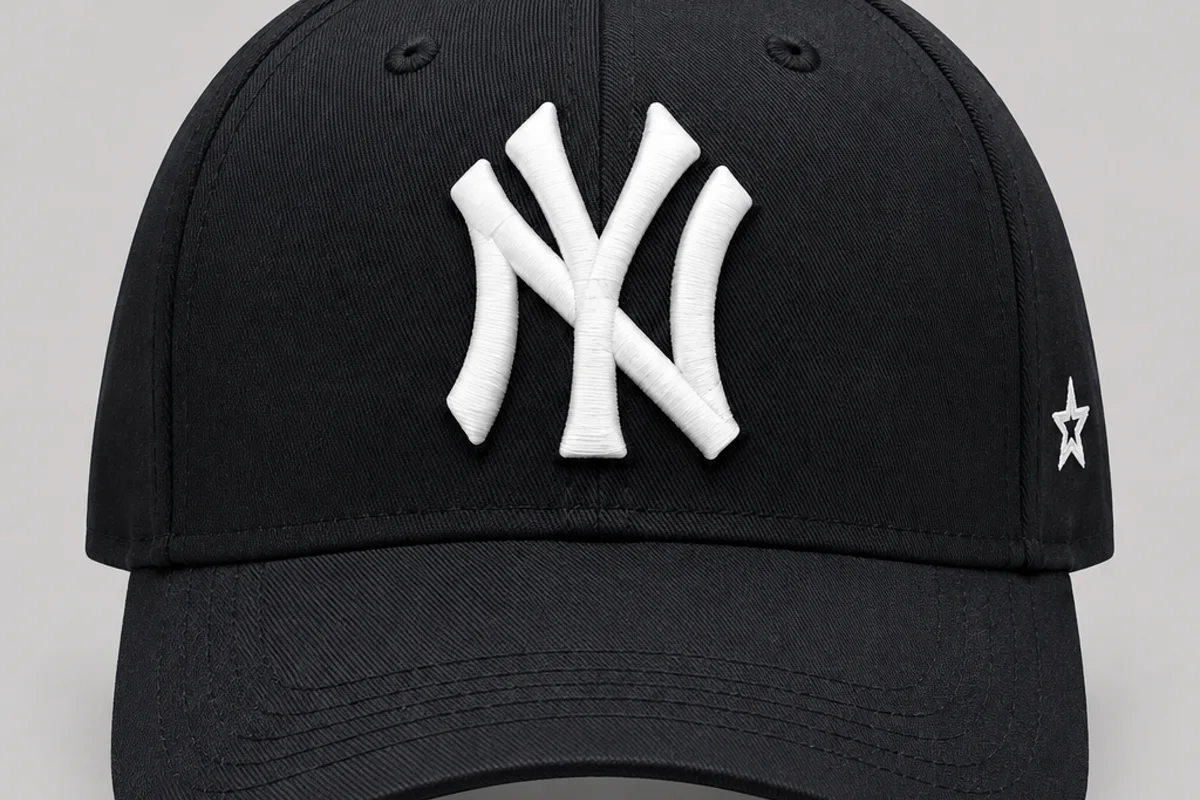
On the counter of a clothing store there's a black cap with the letters NY embroidered in white. Someone turns it toward the light, takes out a phone and snaps the photo. Behind it you can see the shop, a price tag and the reflection of a lamp. That image, as is, is what ended up in the online catalogs of thousands of brands for years.
The photo is the first thing that sells in an online store and also the first thing that falls short. Customers can't touch the product, so the image does all the work: it shows the real color, the size, the finish and, along the way, how serious the brand is. Artificial intelligence changed the math of what it costs to get that right, with a few conditions worth being clear about.
The eighteen-hundred-photo problem
A clothing brand with a hundred and fifty items in four colors each needs six hundred photos just of the front. If it wants front, side and detail, that's eighteen hundred. A traditional shoot means days in a studio, someone preparing each garment, editing afterward and a budget that repeats with every new collection.
What usually happens is more modest. The catalog fills up with photos taken at different times, with different lighting, backgrounds and framing. The store ends up looking messy even if the product is good, and that mess reads as a lack of seriousness. It isn't a problem of photographic talent. It's a problem of volume.
How an AI photoshoot works
It starts with a real photo of the product. It can be simple, even the one from the counter, as long as the product is complete and in focus. From that reference a clean image is generated: neutral background, even light and the same angle as the rest of the catalog.
Once the product is defined, other views can be produced, such as the sides or a close-up of the material, and also lifestyle images, with the product in use or in a setting that resembles the brand. The key point is that the product isn't invented. You take the one that exists and improve the way it's presented.
That's what we did with the caps from Malambo, a Colombian clothing brand with a physical and online store. Each cap comes in several colors and the only photos available were from the shop. We used them as references and produced three catalog views for each color, front and both sides, on a neutral background with the same light. The embroidery and the small star on the side of each cap are the real ones. What changed was everything around them.
What to watch for
The main risk has a name: fidelity. Image models sometimes change a logo, smooth out a texture or invent a seam that doesn't exist. That's why every image is compared against the physical product before it's published. It isn't optional. What you sell is what arrives at the customer's home, and any difference is paid for in returns and reviews.
The second concern is consistency. The point of the process is that the whole catalog shares light, angle and background, so it's best to define that style at the start and not change it with each batch. The third is honesty. Improving the presentation isn't changing the product. If a fabric wrinkles easily, it isn't shown as if it were stiff; if an accessory isn't included, it doesn't appear in the photo.
When generated people are used, the prudent thing is for them to be clearly catalog models and not imitations of someone real, and to resemble the brand's audience. The rule that sums it all up is simple.
The image can be produced. The promise has to be true.
Where the camera still wins
There's territory artificial intelligence doesn't cover well yet and some that simply isn't its job. Campaigns where emotion matters, with a look or a gesture that can't be manufactured. The brand's real people: the team, the founders, the customers. Difficult textures, like transparency, shine or very fine fabrics. And products where a millimeter changes everything, like certain jewelry.
The sensible approach today is to combine. AI handles the volume of the catalog, which needs order more than art. Real production is reserved for the pieces that build the brand: the season's campaign, the launch video, the cover photo. Used that way, the two complement each other and the photography budget goes much further.
How to prepare
The result depends on what you hand over at the start. It's worth taking one photo of each item from the front, complete and in focus, in natural light if possible, and another of every detail that matters, like labels, embroidery or zippers. Also write down the real color with its commercial name, because phone cameras distort it, and group items by type, since what works for a cap doesn't work the same for a pair of pants.
The most common stumbles are predictable. Publishing without comparing against the physical product. Using different backgrounds and angles in each delivery. Beautifying so much that customers don't recognize what they receive. And forgetting the phone: a photo with too much empty space around it looks tiny on a small screen, which is where most purchases happen.
What the store gains is concrete. A uniform catalog, a new collection with photos in days instead of weeks, fewer doubts from shoppers because they see the product from several angles, and material for ads and social media without extra shoots. An AI photoshoot won't make a bad product sell. It makes a good one stop losing sales because of a photo that didn't do it justice.